Buy 180x360.eu ?
We are moving the project
180x360.eu .
Are you interested in purchasing the domain
180x360.eu ?
domain@kv-gmbh.de · 0541-91531010
Buy 180x360.eu ?
Why do birds and mammals have fewer offspring on average than the other classes of vertebrates?
Birds and mammals have fewer offspring on average than other classes of vertebrates because they invest more time and resources into caring for their young. Birds and mammals typically have longer gestation periods, and they often provide parental care and protection for their offspring, which requires a significant investment of time and energy. In contrast, other classes of vertebrates, such as fish and amphibians, often produce large numbers of offspring with minimal parental care, increasing the likelihood that at least some of the offspring will survive to adulthood. **
Will mammals continue to dominate the planet forever and will new classes of vertebrates evolve over the course of evolution?
It is impossible to predict the future of mammalian dominance on the planet, as it depends on various factors such as environmental changes, competition, and evolutionary adaptations. While mammals have been dominant for a significant period of time, it is possible that new classes of vertebrates could evolve over the course of evolution. Evolution is a dynamic process, and new species and classes can emerge in response to changing environmental conditions and selective pressures. Therefore, it is likely that new classes of vertebrates could evolve in the future, potentially altering the dominance of mammals on the planet. **

Similar search terms for Vertebrates Mammals
Top-Angebote
Products related to Vertebrates Mammals:
-
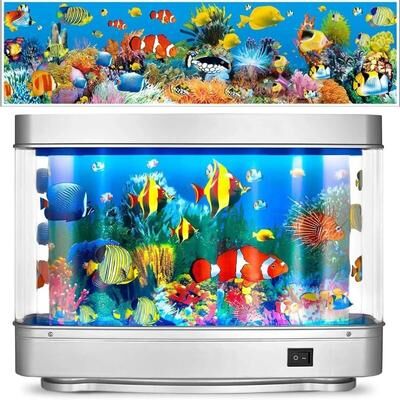
Uplift Essentials Serene Motion Virtual Aquarium Lamp Serene Motion Virtual Aquarium Lamp"Bring the soothing magic of the underwater world to your tabletop with the Serene Motion Virtual Aquarium Lamp. This highdefinition desktop aquarium decorative light uses advanced ""movingpicture"" technology to create a mesmerizing, continuous swim..."82,97 $*Shipping: 0,00 $Secure redirect to the provider
-
Matrix Virtual Training Cycle CXVTHE MATRIX VIRTUAL TRAINING CYCLE The Matrix Virtual Training Cycle is the purpose built bike for your cardio zone. Whether gym members are challenging themselves with exclusive workouts, enjoying streaming entertainment or taking on an immersive group class, the Virtual Training Cycle will...4794,00 £*Shipping: 0,00 £Secure redirect to the provider
-
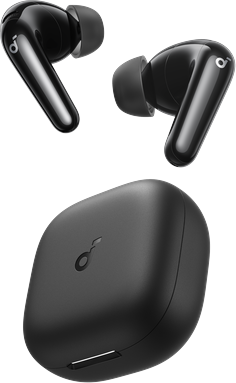
soundcore P31i Wireless Earbuds with Immersive Adaptive ANCBulk Headphones, Earbuds, and Speakers for Business >>>>> Real-Time Adaptive Noise Cancelling Advanced ANC reduces noise by up to 52 dB. Adaptive technology detects your surroundings and automatically chooses the best noise-cancelling level for you....32,99 $*Shipping: 0,00 $Secure redirect to the provider
-
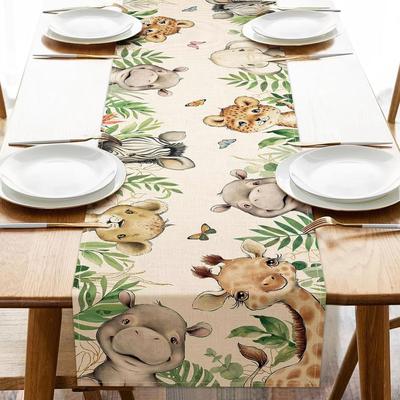
Inspired Finds Vintage Floral Birds Linen Table Runner Farmhouse Summer Dining Table Decor 108x13inch mammalsBring a soft, nostalgic charm to your table with this beautifully detailed floral table runner designed to brighten any space. Featuring delicate birds and blooming flowers, this vintage table runner adds a warm, countryside feel that makes everyday...39,99 $*Shipping: 0,00 $Secure redirect to the provider

-
Is there a species of reindeer or deer that belongs to the category of birds, rather than mammals, among vertebrates?
No, there is no species of reindeer or deer that belongs to the category of birds among vertebrates. Reindeer and deer are both mammals, belonging to the family Cervidae. Birds and mammals are two distinct classes of vertebrates, with birds being characterized by feathers, beaks, and the ability to lay eggs, while mammals are characterized by hair or fur, mammary glands, and the birth of live young. Therefore, reindeer and deer are firmly classified as mammals, not birds. **
-
How have vertebrates evolved?
Vertebrates have evolved over millions of years through a process of natural selection and genetic mutations. They have adapted to various environments by developing specialized traits such as limbs for land movement, wings for flight, and fins for swimming. Vertebrates have also diversified into different species with unique characteristics to better survive and thrive in their respective habitats. Overall, the evolution of vertebrates has been a complex and dynamic process that has led to the incredible diversity of species we see today. **
-
Are snakes mammals?
No, snakes are not mammals. They are reptiles, belonging to the suborder Serpentes. Mammals are warm-blooded vertebrates that have hair or fur, give birth to live young, and nurse their offspring with milk. Snakes, on the other hand, are cold-blooded, lay eggs, and do not have mammary glands to produce milk. **
-
Are tunas mammals?
No, tunas are not mammals. They are actually large, fast-swimming fish that belong to the family Scombridae. Tunas are warm-blooded and have a sleek, streamlined body that allows them to swim at high speeds. They are also known for their powerful muscles and are highly prized for their meat, making them an important commercial fish species. **
Are octopuses mammals?
No, octopuses are not mammals. They are actually invertebrates, belonging to the class Cephalopoda. Mammals are characterized by having hair, giving birth to live young, and producing milk to feed their offspring, none of which apply to octopuses. Instead, octopuses are marine animals with soft bodies, eight arms, and a complex nervous system. **
Are snails mammals?
No, snails are not mammals. Snails are actually invertebrates, belonging to the phylum Mollusca. Mammals are a separate group of animals that have hair or fur, produce milk to feed their young, and are warm-blooded. Snails do not possess these characteristics and are therefore not classified as mammals. **
Top-Angebote
Products related to Vertebrates Mammals:
-
Inspired Finds Vintage Floral Birds Linen Table Runner Farmhouse Summer Dining Table Decor 70.8x13inch mammalsBring a soft, nostalgic charm to your table with this beautifully detailed floral table runner designed to brighten any space. Featuring delicate birds and blooming flowers, this vintage table runner adds a warm, countryside feel that makes everyday...34,99 $*Shipping: 0,00 $Secure redirect to the provider
-
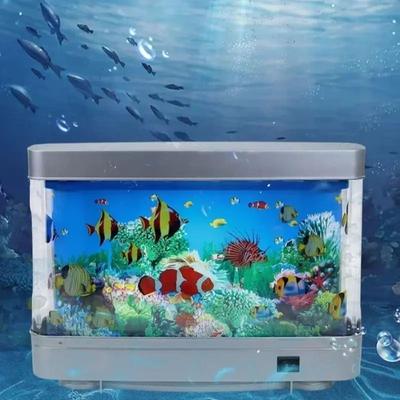
Uplift Essentials Virtual Motion Ocean Aquarium Lamp Virtual Motion Ocean Aquarium Lamp"Experience the tranquil beauty of the deep blue without the maintenance of a real tank with the Virtual Motion Ocean Aquarium Lamp. This creative decorative piece uses highdefinition ""moving picture"" technology to simulate a vibrant tropical reef,..."79,97 $*Shipping: 0,00 $Secure redirect to the provider
-
Uplift Essentials Serene Motion Virtual Aquarium Lamp Serene Motion Virtual Aquarium Lamp"Bring the soothing magic of the underwater world to your tabletop with the Serene Motion Virtual Aquarium Lamp. This highdefinition desktop aquarium decorative light uses advanced ""movingpicture"" technology to create a mesmerizing, continuous swim..."82,97 $*Shipping: 0,00 $Secure redirect to the provider
-
Matrix Virtual Training Cycle CXVTHE MATRIX VIRTUAL TRAINING CYCLE The Matrix Virtual Training Cycle is the purpose built bike for your cardio zone. Whether gym members are challenging themselves with exclusive workouts, enjoying streaming entertainment or taking on an immersive group class, the Virtual Training Cycle will...4794,00 £*Shipping: 0,00 £Secure redirect to the provider
-
Why do birds and mammals have fewer offspring on average than the other classes of vertebrates?
Birds and mammals have fewer offspring on average than other classes of vertebrates because they invest more time and resources into caring for their young. Birds and mammals typically have longer gestation periods, and they often provide parental care and protection for their offspring, which requires a significant investment of time and energy. In contrast, other classes of vertebrates, such as fish and amphibians, often produce large numbers of offspring with minimal parental care, increasing the likelihood that at least some of the offspring will survive to adulthood. **
-
Will mammals continue to dominate the planet forever and will new classes of vertebrates evolve over the course of evolution?
It is impossible to predict the future of mammalian dominance on the planet, as it depends on various factors such as environmental changes, competition, and evolutionary adaptations. While mammals have been dominant for a significant period of time, it is possible that new classes of vertebrates could evolve over the course of evolution. Evolution is a dynamic process, and new species and classes can emerge in response to changing environmental conditions and selective pressures. Therefore, it is likely that new classes of vertebrates could evolve in the future, potentially altering the dominance of mammals on the planet. **
-
Is there a species of reindeer or deer that belongs to the category of birds, rather than mammals, among vertebrates?
No, there is no species of reindeer or deer that belongs to the category of birds among vertebrates. Reindeer and deer are both mammals, belonging to the family Cervidae. Birds and mammals are two distinct classes of vertebrates, with birds being characterized by feathers, beaks, and the ability to lay eggs, while mammals are characterized by hair or fur, mammary glands, and the birth of live young. Therefore, reindeer and deer are firmly classified as mammals, not birds. **
-
How have vertebrates evolved?
Vertebrates have evolved over millions of years through a process of natural selection and genetic mutations. They have adapted to various environments by developing specialized traits such as limbs for land movement, wings for flight, and fins for swimming. Vertebrates have also diversified into different species with unique characteristics to better survive and thrive in their respective habitats. Overall, the evolution of vertebrates has been a complex and dynamic process that has led to the incredible diversity of species we see today. **
Similar search terms for Vertebrates Mammals
-
soundcore P31i Wireless Earbuds with Immersive Adaptive ANCBulk Headphones, Earbuds, and Speakers for Business >>>>> Real-Time Adaptive Noise Cancelling Advanced ANC reduces noise by up to 52 dB. Adaptive technology detects your surroundings and automatically chooses the best noise-cancelling level for you....32,99 $*Shipping: 0,00 $Secure redirect to the provider
-
Inspired Finds Vintage Floral Birds Linen Table Runner Farmhouse Summer Dining Table Decor 108x13inch mammalsBring a soft, nostalgic charm to your table with this beautifully detailed floral table runner designed to brighten any space. Featuring delicate birds and blooming flowers, this vintage table runner adds a warm, countryside feel that makes everyday...39,99 $*Shipping: 0,00 $Secure redirect to the provider
-
Inspired Finds Vintage Floral Birds Linen Table Runner Farmhouse Summer Dining Table Decor 78.7x13inch mammalsBring a soft, nostalgic charm to your table with this beautifully detailed floral table runner designed to brighten any space. Featuring delicate birds and blooming flowers, this vintage table runner adds a warm, countryside feel that makes everyday...35,99 $*Shipping: 0,00 $Secure redirect to the provider
-
Inspired Finds Vintage Floral Birds Linen Table Runner Farmhouse Summer Dining Table Decor 59x13inch mammalsBring a soft, nostalgic charm to your table with this beautifully detailed floral table runner designed to brighten any space. Featuring delicate birds and blooming flowers, this vintage table runner adds a warm, countryside feel that makes everyday...34,99 $*Shipping: 0,00 $Secure redirect to the provider
-
Are snakes mammals?
No, snakes are not mammals. They are reptiles, belonging to the suborder Serpentes. Mammals are warm-blooded vertebrates that have hair or fur, give birth to live young, and nurse their offspring with milk. Snakes, on the other hand, are cold-blooded, lay eggs, and do not have mammary glands to produce milk. **
-
Are tunas mammals?
No, tunas are not mammals. They are actually large, fast-swimming fish that belong to the family Scombridae. Tunas are warm-blooded and have a sleek, streamlined body that allows them to swim at high speeds. They are also known for their powerful muscles and are highly prized for their meat, making them an important commercial fish species. **
-
Are octopuses mammals?
No, octopuses are not mammals. They are actually invertebrates, belonging to the class Cephalopoda. Mammals are characterized by having hair, giving birth to live young, and producing milk to feed their offspring, none of which apply to octopuses. Instead, octopuses are marine animals with soft bodies, eight arms, and a complex nervous system. **
-
Are snails mammals?
No, snails are not mammals. Snails are actually invertebrates, belonging to the phylum Mollusca. Mammals are a separate group of animals that have hair or fur, produce milk to feed their young, and are warm-blooded. Snails do not possess these characteristics and are therefore not classified as mammals. **
* All prices are inclusive of VAT and, if applicable, plus shipping costs. The offer information is based on the details provided by the respective shop and is updated through automated processes. Real-time updates do not occur, so deviations can occur in individual cases. ** Note: Parts of this content were created by AI.